 EN
EN  ES
ES  IT
IT  FR
FR 
Curious how top job seekers outpace the competition? Uncover why proactive career path planning, agile skills building, and AI-driven job search tools like JobWinner.ai are reshaping the modern career journey—giving you the edge to land your dream role.
Key Takeaways
- Mapping your career path empowers you to act with clarity in a rapidly changing job market—reactive drift leads to stagnation, while proactive planning builds long-term success.
- Break ambitions into actionable steps: define your target role, align skills, prove abilities, set SMART goals, and track weekly tasks to maintain momentum.
- Adapt strategies for your industry and career stage—from portfolios to digital networking, customizing your plan boosts real-world results.
- Emerging trends like micro-credentials and portfolio-based hiring now outweigh traditional degrees; ongoing learning and results matter most.
- AI platforms like JobWinner.ai speed up your job hunt: analyze skill gaps, auto-tailor resumes, showcase achievements, and prep for interviews with precision—turning guesswork into progress.
Why Planning Your Career Path Is Crucial Today
Navigating the ever-shifting job market has become more challenging as digital transformation and AI reshape what employers need. No longer is it enough to simply react to job postings—today’s professionals must proactively chart their course. Career path planning provides a framework for intentional growth rather than passive job hopping.
Structured planning isn’t just about landing your next job—it’s about building a foundation for long-term success, adaptability, and satisfaction.
Let’s clarify why this matters with a real-world example. Imagine an IT specialist facing automation trends. Without a plan, they risk being caught off guard by job changes. But those who map out their skills, identify growth areas, and set milestones can smoothly transition into emerging roles such as data analyst or cybersecurity expert. This proactive approach reduces uncertainty and increases confidence.
| Approach | Key Features | Outcome |
|---|---|---|
| Proactive Planning | Goal-setting, skills tracking, vision | Career growth, resilience, clarity |
| Reactive Drift | Job-to-job, little direction | Stagnation, missed opportunities |
The numbers back this up: LinkedIn’s Workforce Report reveals that over 40% of professionals have already changed careers at least once—a figure that will only rise as AI evolves roles. This highlights the importance of structured planning for anyone serious about future-proofing their career.
The key takeaway: Clear career path planning empowers you to seize opportunity, pivot strategically, and grow with confidence—no matter how the world of work changes. Next, let’s explore how to put this proactive mindset into action.
Create a Personalized Career Plan in 5 Simple Steps
A well-designed career plan is more than a dream—it’s a step-by-step strategy that brings your ambitions into focus. The five-part template below transforms vague aspirations into actionable plans, ensuring you always know your next move.
A clear plan helps you avoid detours, track your growth, and respond to opportunities with confidence.
To get started, define your target role. This means selecting a specific job title, industry, and level (entry, mid, senior). By narrowing your focus, you’re able to align your efforts and avoid getting sidetracked by irrelevant opportunities. Next, identify the core and emerging skills demanded by your chosen field. Pinpoint 3–5 technical and soft skills that employers value most for your target role—think data analysis, communication, or leadership.
Now, translate those skills into evidence of competence.
- Professional certifications
- Notable projects
- Measurable achievements and metrics
Afterward, set a timeline using SMART goals—like monthly or quarterly milestones—to stay accountable. Finally, organize your job search actions into weekly tasks, from networking outreach to targeted interview prep.
A tactical career plan turns uncertainty into opportunity, providing clarity at every stage of your journey.
The key insight: By following this framework, you’re empowered to act with purpose and measure real progress, making success far more attainable. Next, let’s look at how to identify your target role and get started.
Real-Life Career Success Examples for Job Seekers
Understanding how job search strategies translate into practical action is essential for anyone navigating a career transition. Let’s explore three realistic scenarios, each tailored to a different professional path:
- Entry-Level UX Designer:
- Build a Figma portfolio featuring your best projects.
- Complete a Google UX Certificate for foundational credibility.
- Apply to 10 SaaS design jobs per week to maximize exposure.
- Healthcare Operations Manager (Mid-Career Switch):
- Pursue a PMP certification to boost your project management credentials.
- Lead an actual process improvement initiative within a hospital setting.
- Regularly share quantifiable efficiency metrics on LinkedIn to attract recruiters.
- Digital Marketing Specialist (Freelancer to Full-time):
- Share click-through rate (CTR) improvements from client campaigns.
- Build a digital portfolio chronicling successful projects.
- Proactively network with hiring managers through targeted outreach messages.
These examples show how adaptable strategies are key when pursuing career moves across industries. By breaking goals into actionable steps, job seekers can avoid feeling overwhelmed and maintain momentum.
| Role | Key Action Steps |
|---|---|
| UX Designer (Entry-Level) | Portfolio, certificate, weekly applications |
| Healthcare Ops Manager | PMP, lead project, publish metrics |
| Digital Marketing Specialist | Share CTR gains, build portfolio, network outreach |
Notice how each example uses a five-part structure—planning, credential building, real-world application, personal branding, and consistent outreach—yet adapts tactics for industry and career stage. The key insight: Success is less about following a rigid formula and more about customizing proven steps to fit your unique situation. This adaptability is what leads to real progress, regardless of your starting point. Next, let’s explore how you can craft your own action plan using these principles.
Emerging Career Planning Trends and Smarter Adaptation
The landscape of career planning is evolving rapidly, driven by technology and shifting employer priorities. AI-powered platforms, such as JobWinner.ai, are transforming how individuals approach every stage of their job search—from instant skills analysis to crafting highly customized application materials. This new wave of tools enables job seekers to identify their strongest skills, pinpoint gaps, and tailor their resumes and cover letters with unprecedented precision.
A key trend reshaping the field is the rise of portfolio-based hiring. Employers today are more interested in measurable results and real-world achievements than simply checking for a degree on a resume.
- Evidence of projects, case studies, or impact metrics often outweighs traditional credentials.
- Many companies now require candidates to submit portfolios or demonstrate skills through job-specific assessments.
- This shift encourages professionals to continually document their progress and showcase ongoing growth.
By embracing these changes, candidates can more effectively communicate their value and stand out in competitive job markets. For further reading, check out Career Path Guide for 2025.
Alongside these shifts, micro-credentials from platforms like Google, Coursera, or LinkedIn Learning are gaining recognition.
| Traditional Degrees | Micro-Credentials |
|---|---|
| 4+ years, broad focus | Weeks/months, targeted skills |
| High cost | Often affordable/free |
| Slower to update | Rapidly reflects industry needs |
This table highlights why micro-credentials are gaining traction: they’re faster, more affordable, and stay current with evolving employer needs. As a result, modern career plans work best when they’re agile—relying on short cycles of learning, feedback, and adaptation instead of rigid multi-year roadmaps.
Key takeaway: To stay ahead, update your approach with adaptive planning, a living portfolio, and platforms that surface your unique strengths. Next, let’s explore how to leverage these tools for your advantage.
Maximize Your Job Search with JobWinner.ai Tools
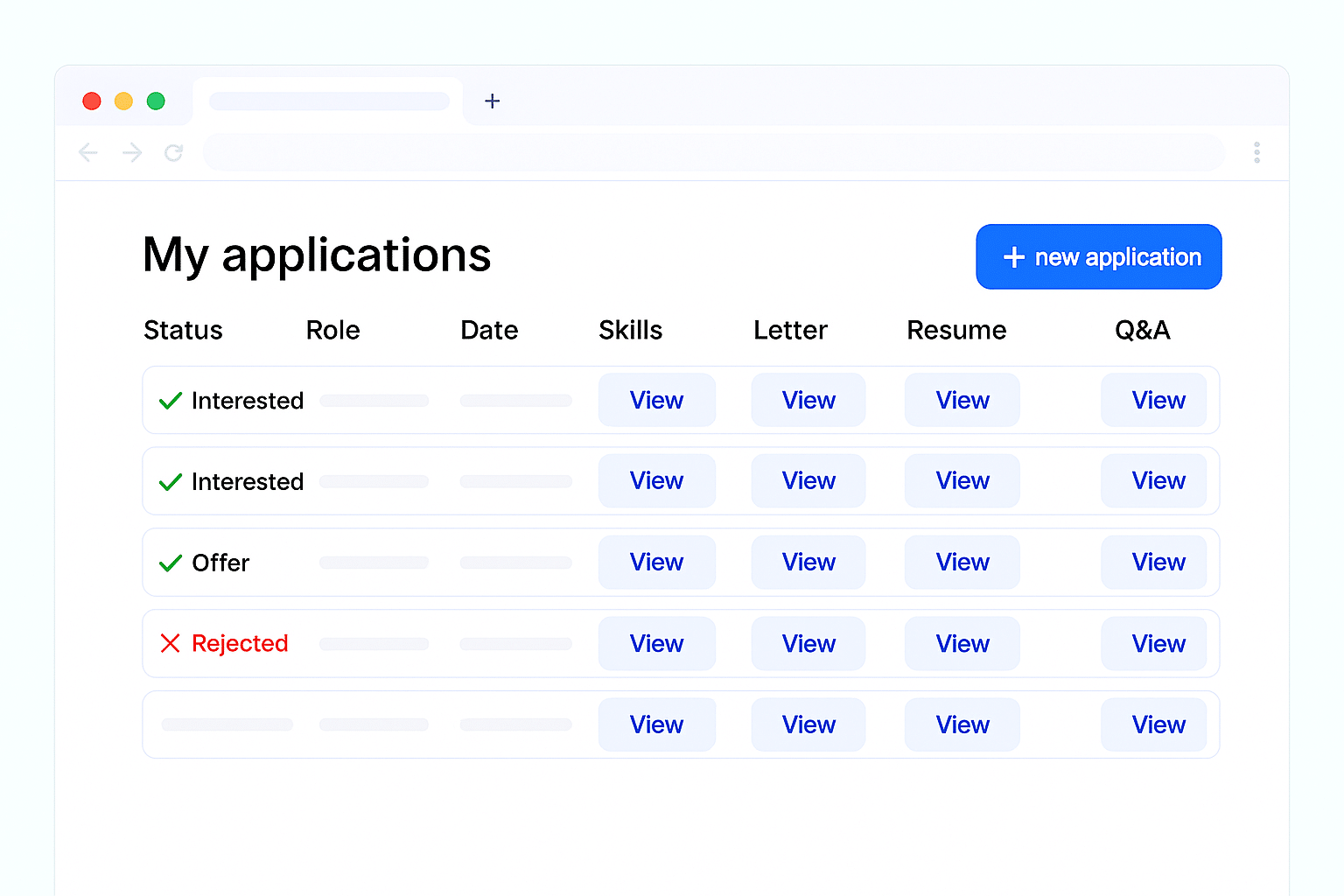
Getting started doesn’t have to be overwhelming—JobWinner.ai offers a suite of AI-driven features designed to simplify and accelerate your job search. Begin by using the Skill Analyzer, which compares your current resume against your dream role to clearly identify skills and experience gaps. This insight sets a focused direction for your job applications. Next, the Smart Resume Generator automatically reframes your achievements and skills, making sure your application matches the language and requirements employers look for. This not only improves your chances of getting noticed, but also removes the guesswork from resume tailoring.
Example: Consider Jane, a marketing professional aiming to move into digital strategy. By leveraging the Skill Analyzer, she discovered her expertise in analytics was underrepresented on her resume. The Smart Resume Generator then guided her to emphasize these skills with relevant keywords, resulting in more interview callbacks and a clearer self-marketing message.
After optimizing your resume, the Proof Builder comes into play—helping you turn side projects, freelance work, or quantifiable metrics into compelling evidence of your impact. You can then prepare for interviews using customized Q&A tools that reflect the actual job descriptions you’re applying for, giving you targeted practice and confidence. For those seeking even more structure, the built-in weekly checklist (available for Premium users) keeps your progress on track and ensures ongoing improvement.
By consistently using these features, even with a basic 90-day action plan, you’ll see more interviews and better job fit—because your search is based on data, not guesswork. The big idea: JobWinner.ai transforms your job hunt from a stressful scramble into a strategic, step-by-step launch plan for your career goals. To get the most value, start with one feature today and build momentum with each step.
For further reading, check out how to tailor your resume to job descriptions.
For further reading, check out ChatGPT prompts for job applications.
For further reading, check out guide to preparing for interviews with AI.
Conclusion: Launch Your Career with Confidence
Success in 2025’s competitive job market isn’t just about chasing every opportunity—it’s about having a smart, adaptable plan and the right tools to bring it to life. By proactively mapping your career, breaking your goals into actionable steps, staying attuned to industry trends, and leveraging AI-powered platforms like JobWinner.ai, you’ll put yourself ahead of the curve.
Remember: every top performer started by taking the first step. Use these strategies to plan your path, showcase your strengths, and move towards your dream job with clarity and confidence. Ready to take action? Start building your career plan today and let technology help you unlock your full potential.