 EN
EN  ES
ES  IT
IT  FR
FR 
Ever feel like your carefully crafted resume just disappears into a digital black hole? You spend hours perfecting every line, hit "submit," and then… crickets. You're not just imagining things. More often than not, the culprit is an Applicant Tracking System, or ATS.
This is the software that acts as the initial gatekeeper, sorting through countless applications before a recruiter ever lays eyes on them. Think of it as a bouncer for your resume—if you're not on the list, you're not getting in.
Your Resume's Digital Gatekeeper

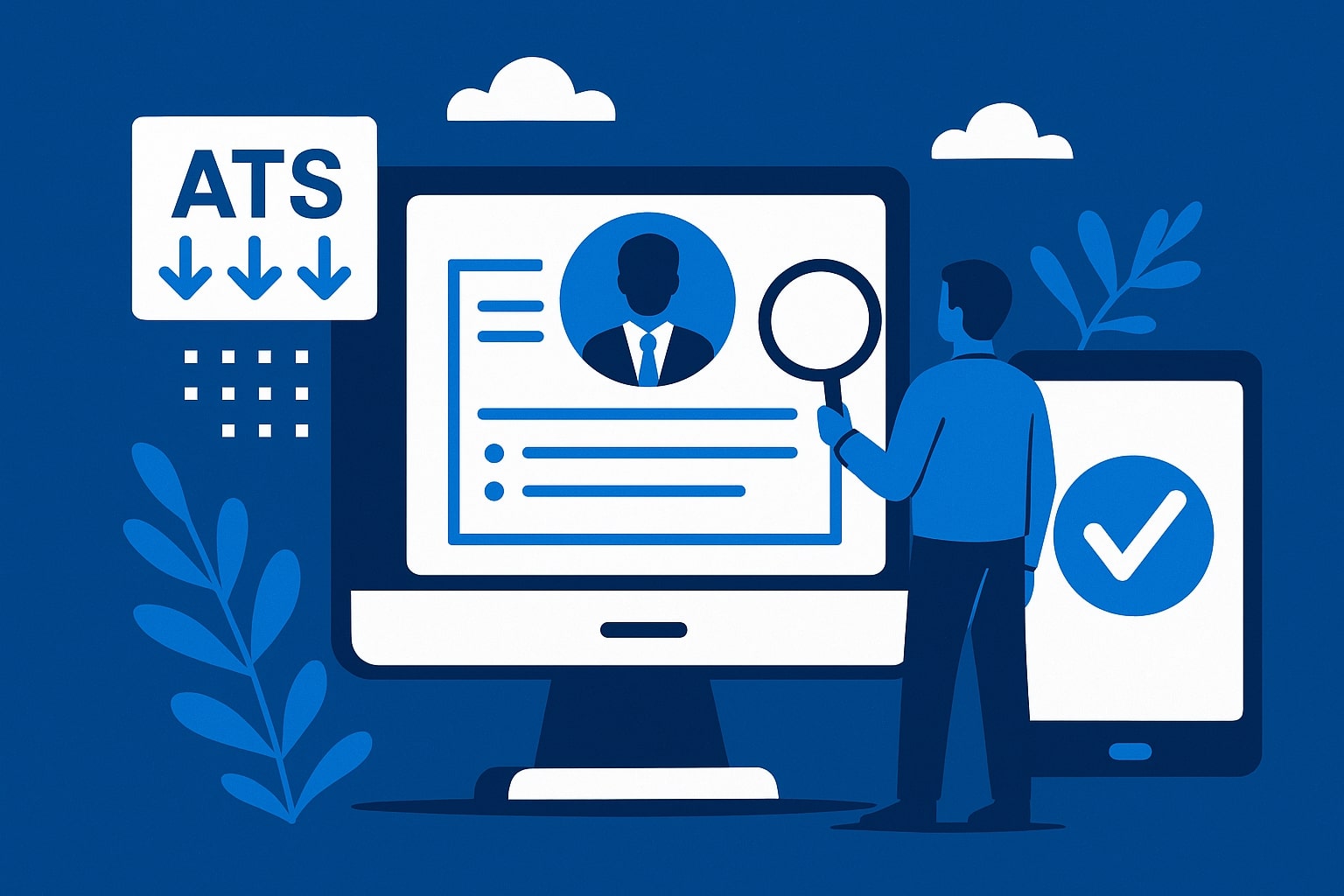
If you’ve applied for a job online anytime in the last 10 years, you’ve almost certainly run into an ATS. It's like a super-smart, automated filing cabinet for hiring managers, acting as their command center for the entire hiring process.
When you submit that application, your resume doesn't land in a personal email inbox. Instead, it’s fed into the ATS, which then gets to work parsing your document. That's a fancy way of saying it reads, extracts, and neatly categorizes all your information—contact details, work history, skills, you name it—into a standardized profile for the recruiter.
- Example: Let's say your resume lists "Managed a team of 5 software engineers." The ATS parser will identify "Managed," "team of 5," and "software engineers" and slot them into the 'Work Experience' and 'Skills' sections of your digital profile.
Why Do Companies Rely on It?
It all comes down to one word: volume. A single corporate job posting can easily pull in thousands of applications. It's just not physically possible for a human to read every single one.
An ATS automates that first wave of screening, saving recruiters an enormous amount of time and energy.
By filtering candidates based on keywords pulled directly from the job description, an ATS helps recruiters immediately zero in on the most promising applicants. This drastically shrinks the time it takes to make a hire.
These systems are now a standard piece of the hiring puzzle. To get a feel for what recruiters are working with, it’s worth looking at some of the top talent acquisition software platforms companies use.
Quick Guide to ATS Functions
This table breaks down what an Applicant Tracking System actually does, giving you a peek behind the curtain of the hiring process.
| ATS Function | What It Means for You |
|---|---|
| Resume Parsing | The system automatically pulls your skills, experience, and education. If your formatting is messy, it can cause critical errors and misinterpret your data. |
| Keyword Filtering | Your resume gets scored on how well its content matches the keywords in the job description. A high match means a higher rank. |
| Candidate Management | Recruiters use it to track your entire journey, from "Applied" to "Interviewing" to "Hired" or "Rejected." It's their central database. |
Simply put, the ATS does a lot more than just collect resumes. Understanding its core functions is the first step toward creating an application that gets noticed.
From Paper Stacks to Smart Software: The Rise of the ATS

It’s hard to imagine now, but not too long ago, the life of a recruiter was buried in paper. Picture the 1970s and '80s: a world of newspaper classifieds, physical mail, and entire rooms dedicated to filing cabinets overflowing with resumes.
For every open role, a recruiter had to manually sort through hundreds, sometimes thousands, of paper applications. They were part-administrator, part-archivist, just trying to keep their head above the deluge. This system was painfully slow, horribly inefficient, and a great candidate's resume could easily be lost in the shuffle or simply overlooked by tired eyes.
Something had to change. The first applicant tracking systems emerged from this desperate need for order, starting as simple computer databases designed just to log and keep track of all that paper.
The Internet Changes Everything
The real game-changer was the internet explosion of the 1990s and early 2000s. As job boards like Monster and CareerBuilder went mainstream, the trickle of applications turned into a firehose. Companies that used to get a few hundred resumes for a position were now facing thousands of digital submissions.
The old, simple databases just couldn't keep up. This pressure cooker environment is what forced the software we now know as an applicant tracking system to evolve. The technology had to get smarter, moving from a basic digital filing cabinet to an intelligent screening tool that could connect directly with job boards. For a deeper look at this technological leap, you can explore the evolution of applicant tracking systems on blogs.psico-smart.com.
This wasn't just a small upgrade; it was a fundamental shift. It spelled the end of the paper-choked recruiting era and ushered in the digital-first approach to hiring that defines the modern job market.
Key Milestones in ATS History
The path from a simple tracking log to a cornerstone of HR technology was paved with a few critical advancements. Each one built on the last, making these systems more powerful and widely available.
- The 1990s – Going Digital: The first true ATS software was born, integrating with the new wave of online job boards. For the first time, collecting applications was a digital process from the start.
- The 2000s – The SaaS Revolution: The rise of Software-as-a-Service (SaaS) and cloud computing changed the game completely. Powerful ATS tools, once reserved for massive corporations with deep pockets, suddenly became affordable and accessible for small and mid-sized businesses.
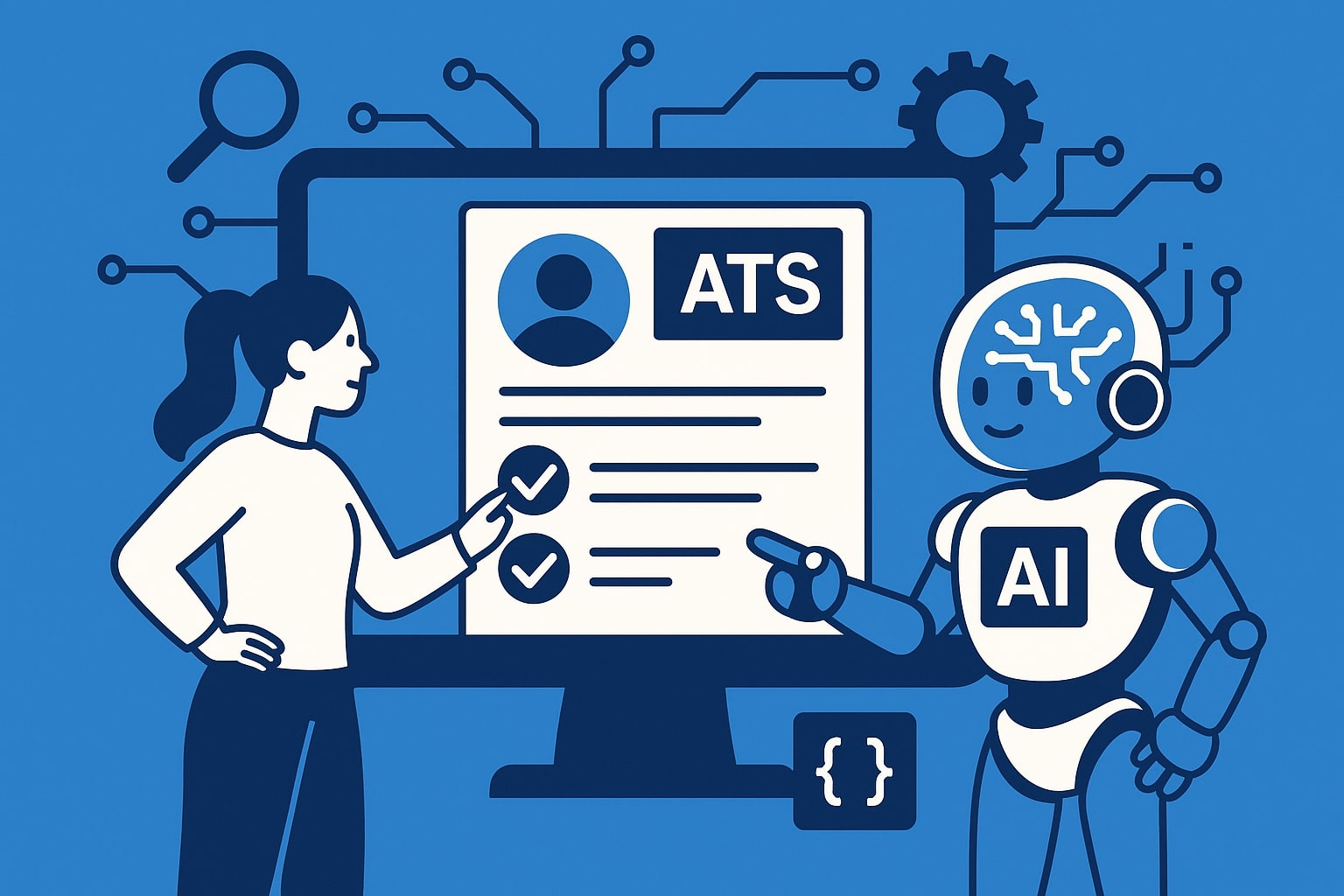
- The 2010s – AI and Automation: Artificial intelligence gave these systems a massive boost. They could now do far more than just scan for keywords, with capabilities like analyzing candidate sentiment, predicting job success, and automating communications.
Understanding this history is so important. It reveals that the ATS isn't just a passing trend—it's a mature technology that has become the backbone of modern recruitment. For any serious job seeker today, learning how to work with it is no longer optional.
So, you’ve polished your resume and hit “submit.” What happens next? It’s probably not what you think. Your resume doesn’t land in a recruiter's inbox. Instead, it’s sent directly to an applicant tracking system (ATS), where it’s immediately broken down for parts.
This first critical step is called parsing. Think of it like a machine sorting mail. It’s not reading your life story; it’s just looking for specific pieces of information—name, contact info, job titles, dates, skills—and dropping them into the right digital buckets. The whole point is to create a neat, standardized profile that a recruiter can scan in seconds.
The system is incredibly fast, but it's also incredibly literal. It doesn't understand nuance or appreciate beautiful design. It's simply matching patterns. If your resume format is too creative, the parser gets confused and just skips over anything it can't understand. That crucial piece of experience? It might as well not be there.
Where Resumes Break and Parsers Fail
Here’s the hard truth: the number one reason an ATS rejects a good candidate often has nothing to do with their experience. It’s their resume's formatting. These systems crave simplicity, and anything that looks visually complex to a machine is just noise.
This is where a lot of well-meaning job seekers get tripped up. Common design choices that look great to the human eye will completely derail an ATS.
Columns: Most parsers read a page straight across from left to right. If you have two columns, the text gets jumbled into a single, nonsensical line of text.
Tables: Putting your skills or education history inside a table is a huge gamble. Many systems can't read the data inside table cells and will ignore it entirely.
Images and Graphics: That personal logo, headshot, or fancy icon showing your skill level? It's invisible. The ATS sees a blank space.
Headers and Footers: This is a classic mistake. Many people put their name and contact info in the document's header, but the parser is often programmed to skip headers and footers completely.
Example: Let’s say you’re a designer who uses a cool graphic to show a 5-star rating in Adobe Photoshop. A recruiter would get it instantly. But the ATS sees nothing. The keyword "Adobe Photoshop" is never parsed, and your profile shows a blank spot where that skill should be.
At its core, an applicant tracking system is just a translator. It turns your resume into structured data. When your formatting gets in the way of that translation, your best qualifications become invisible, no matter how perfect you are for the job.
To get past the machine, your best bet is a clean, single-column layout with clear, standard section headings like "Work Experience" and "Education."
ATS-Friendly vs. Problematic Formatting
Getting this right means seeing your resume from the machine's point of view. It’s a simple game of inputs and outputs. Here’s a quick guide to what the ATS actually sees.
| Formatting Element | How an ATS Often Reads It | Best Practice |
|---|---|---|
| Two-Column Layout | Mixes text from both columns, creating unreadable sentences. | Use a single-column layout from top to bottom. |
| Unusual Fonts | May be unreadable, causing the parser to skip entire sections. | Stick to standard fonts like Arial, Calibri, or Times New Roman. |
- Contact Info in Header | The parser may completely ignore the header and footer sections. | Put all contact information in the main body of the resume. |
| Skill Rating Bars | The software sees an image, not text, and ignores the skill. | Simply list the skill as a word (e.g., "Advanced in Python"). |
You have to shift your mindset. At this stage, you aren't writing a resume for a person. You're feeding data to a database. By focusing on clean, predictable formatting, you make sure the machine can accurately capture every one of your qualifications. That’s how you get your resume out of the digital slush pile and into the hands of a human being.
Why Almost Every Company Uses an ATS Today
If you’ve ever felt frustrated by an applicant tracking system, you're definitely not alone. So, why have these platforms become a non-negotiable tool for pretty much every company out there?
The short answer is simple: scale. It’s just not humanly possible to manually review the sheer volume of applications companies receive today.
Think about it. A single job post at a popular company can easily pull in thousands of resumes in just a few days. Without an automated system, a team of recruiters would be completely buried, spending all their time sifting through resumes and never getting to the important work of actually interviewing and hiring people. The ATS handles that initial, overwhelming screening process, freeing up recruiters to focus on the candidates who look most promising on paper.
The Business Case for Automation
For companies, the advantages go well beyond just saving time. An applicant tracking system is a powerful business tool, and the return on that investment is easy to see.
- Massive Time Savings: The system automatically filters candidates based on the job criteria, drastically cutting down the hours spent on manual review. This means recruiters can move faster and fill roles more quickly.
- Improved Quality of Hire: By consistently applying the same criteria to every resume, an ATS helps recruiters pinpoint the most qualified people in the applicant pool. It ensures the people who best match the job’s needs rise to the top.
- Centralized Organization: All candidate information—from resumes and cover letters to interview notes and communications—is kept in one central hub. This creates a clean, organized record for the entire hiring team.
Once you hit "submit," your resume doesn't land in a person's inbox. Instead, it goes through a process called parsing. This diagram breaks it down.

What this really means is your resume is turned into a structured data profile before a recruiter ever lays eyes on it. That’s why a clean, machine-readable format is so critical.
A Competitive Necessity
At this point, not using an ATS puts a company at a major disadvantage, especially a large one. The technology has become a standard part of corporate recruiting, with an incredible 97.8% of Fortune 500 companies now using an ATS. This move away from paper-based systems was inevitable as businesses needed a better way to handle the flood of online applications. You can read more about the evolution of applicant tracking systems on MyShortlister.com to see how we got here.
Ultimately, an applicant tracking system helps companies maintain a fair and compliant hiring process. By standardizing how applications are collected and reviewed, it helps mitigate unconscious bias and ensures every candidate is evaluated against the same set of criteria.
Crafting Your Perfect ATS-Friendly Resume

Alright, let's get down to what really matters: making sure your resume actually gets seen. Your goal is to create a document that can successfully navigate the applicant tracking system and then impress a human recruiter. This isn’t about flashy designs; it’s about smart, strategic writing and formatting.
The first step is to make it incredibly easy for the ATS to read and understand your information. Think of it this way: the software is programmed to look for specific keywords and skills, and your job is to give it exactly what it’s looking for.
So, if a job posting mentions “agile project management” and “stakeholder communication” multiple times, those are the exact phrases you need on your resume. This is not the time to get creative with terms like “led projects with a flexible approach” or “great at talking to people.” The software isn’t smart enough to connect those dots, so be direct.
The most effective resume optimization strategy is to treat the job description as your cheat sheet. The company is literally telling you which keywords their ATS is searching for.
By tailoring your resume with the right language, you dramatically increase your relevance score. This is what moves your application from the digital slush pile into the "must-see" folder for a hiring manager. For a deeper dive, check out our guide on creating a great ATS-friendly resume format.
The Blueprint for ATS Success
Beyond just keywords, the actual structure of your resume is absolutely critical. An ATS expects to find information in predictable places, and a confusing layout can cause it to misread or even ignore your qualifications. Here's a simple checklist to follow:
- Use Standard Headings: Always stick to familiar section titles. Use headings like "Work Experience," "Education," and "Skills." Avoid creative alternatives like "My Professional Journey" or "What I Bring to the Table," as the software won't recognize them.
- Choose a Clean Format: A simple, single-column layout is your safest bet. Columns, tables, and text boxes can scramble your information when the ATS tries to parse it. The same goes for logos, photos, and other graphics.
- Pick the Right File Type: Always read the application instructions carefully. If the employer asks for a specific file type, use it. If not, a .docx file is often the most reliable for parsing, although most modern systems can handle a simple, text-based PDF just fine.
These small details can make a huge difference. For even more detailed guidance, take a look at these proven tips to beat ATS and land interviews.
ATS Resume Optimization Do's and Don'ts
To make things even simpler, here’s a quick-reference table that breaks down the essential best practices for creating an ATS-friendly resume. This is your go-to cheat sheet for a final check before you hit "submit."
| Best Practice (Do) | Common Mistake (Don't) |
|---|---|
| Incorporate keywords from the job description. | Use generic buzzwords or overly creative phrasing. |
| Use standard fonts like Arial or Calibri. | Use decorative or script fonts that are hard to read. |
| Stick to a clean, single-column layout. | Use columns, tables, or text boxes for formatting. |
| Submit your resume as a .docx or simple PDF. | Use image-based files or unsupported formats. |
Ultimately, getting your resume past the ATS comes down to clarity and precision. By focusing on keyword alignment, standard formatting, and a clean layout, you create a document that sails through the initial screening. This gets your qualifications in front of the person who actually makes the hiring decision, setting you up for success from the very first step.
Thinking Beyond the Resume to Win the Job
So, your resume sailed past the applicant tracking system. That’s a huge milestone, but now the real work begins. Getting through the digital gatekeeper is one thing; winning over the human on the other side is the ultimate goal.
Think about it from the recruiter’s perspective. After the ATS narrows the field, they're looking at a stack of qualified resumes. The first thing they'll do when they find one they like is a little digging. They’ll look you up on LinkedIn and read your cover letter to see if your story holds up. Is the impressive professional on paper the same one they see online?
Building a Consistent and Compelling Story
Your application isn't just a resume—it's a complete package. Every single piece, from your cover letter to your LinkedIn profile, needs to work together to paint a clear and consistent picture of your skills and career path.
Here’s how to make sure all your materials are perfectly aligned:
- Weave keywords into your cover letter. Don’t just repeat your resume. Use the cover letter to tell the story behind your accomplishments, connecting your experience directly to the problems the company needs to solve.
- Make your LinkedIn profile a perfect match. Your headline, summary, and experience sections should echo the same skills and language as your resume. Little details matter—ensure your job titles and employment dates are identical.
- Use the job description as your interview cheat sheet. It’s not just for finding keywords. It’s a blueprint for the questions you’ll be asked. You can dive deeper into how to prepare for interviews by using the role's requirements to predict what's coming.
An ATS-friendly resume gets your foot in the door. But a strong, consistent personal brand is what convinces them to offer you a seat at the table. Recruiters are looking for a clear narrative, and they check for it everywhere.
Your objective is simple: make it incredibly easy for the hiring manager to see you in the role. When you present a polished, unified story across every touchpoint, you stop just playing the numbers game. You start building a compelling case for why you're the one they need to hire.
Frequently Asked Questions About Applicant Tracking Systems
As you get deeper into your job search, you'll naturally have questions about what an applicant tracking system is and how it really works. Getting straight answers is the best way to feel confident about your applications, so let's tackle some of the most common concerns.
Can I Use a Creative Resume to Stand Out?
It's so tempting to design a beautiful, eye-catching resume with graphics, columns, and cool fonts. While that kind of resume can be a showstopper when you hand it directly to someone, it's a huge gamble for online applications.
Most applicant tracking systems are built for one thing: reading text. They can't properly read—or parse, as it's called—complex designs. Think of it like trying to feed a picture book to a machine that only understands plain text. Things like images, columns, and those fancy skill-rating bars just confuse the software, which can lead to it jumbling up or completely ignoring your qualifications.
The safest play? Stick to a clean, standard resume format for any online submission. Save your gorgeous, creative version for networking events or direct emails.
How Do I Find the Right Keywords for a Job?
This is simpler than you might think. The absolute best place to find your keywords is right in the job description itself.
Read the posting carefully and pull out the specific skills, software, and qualifications the company brings up again and again.
If the job ad mentions "SEO," "Content Strategy," and "Google Analytics," those are your golden keywords. Make sure you use the company's exact phrasing. If they ask for "team collaboration," don't just write "team player"—mirror their language.
Taking a few minutes to tailor your resume this way makes a massive difference. It's how you signal to the ATS that you're a strong match, which dramatically boosts your odds of landing in the "yes" pile.
Do All Companies Use an Applicant Tracking System?
While not every single company uses one, the overwhelming majority do. It’s estimated that over 97% of Fortune 500 companies use an ATS, and the technology is incredibly common among small and medium-sized businesses, too.
Because they are so widespread, you should always assume your online application is going through software first. Getting your resume ready for an ATS isn't just an extra step anymore; it’s a fundamental part of a modern job search strategy.
Feeling overwhelmed by the need to customize every application? JobWinner uses AI to automatically tailor your resume and cover letter with the right keywords, ensuring your application is optimized for any ATS. Stop guessing and start getting more interviews by visiting JobWinner.ai to see how it works.