 EN
EN  ES
ES  IT
IT  FR
FR 
Curious why some job seekers get recruiter messages daily while others stay invisible? Learn how to fine-tune your LinkedIn visibility, profile content, and settings to surge to the top of recruiter searches—without risking your current job.
Key Takeaways
- Strategic LinkedIn visibility settings directly impact whether recruiters find you—balance your exposure with your career stage.
- Maximize discoverability with public profiles, targeted ‘Open to Work’ settings, and a professional contact email.
- Tailor profile content with industry keywords, specific headlines, and regular updates to rank higher in recruiter searches.
- Small visibility tweaks—like expanding your profile view rights—can dramatically increase recruiter outreach and job opportunities.
- Combine a visible, up-to-date profile with AI-powered tools for resumes and interview prep to vastly improve your odds of getting hired.
Maximize LinkedIn Visibility for Recruiter Discovery
Understanding how your LinkedIn visibility settings affect recruiter discovery is crucial for job seekers aiming to stand out. The platform offers flexible controls, allowing you to choose who can see your profile, activity, and contact information. When your profile is set to public or visible to LinkedIn members, it becomes easier for recruiters to find you, especially through LinkedIn Recruiter searches. Conversely, overly private settings can unintentionally make your skills and experience invisible to the very professionals searching for talent.
To simplify, here’s a quick overview of how key visibility settings impact recruiter access:
| Visibility Setting | Recruiter Impact |
|---|---|
| Public Profile | Highest discoverability |
| LinkedIn Members Only | Moderate discoverability |
| Private Mode | Low discoverability |
| ‘Open to Work’ (Public) | Strong search ranking, broad signal |
| ‘Open to Work’ (Recruiters) | Targeted recruiter attention |
As you can see, strategic choices here can directly influence your exposure to opportunities. It’s important to remember that your visibility settings are not just technical preferences—they’re a practical part of your job search toolkit.
In addition to toggling visibility, including a professional email in your contact information can further streamline recruiter outreach. When recruiters can quickly reach out, you reduce the back-and-forth and get closer to interviews faster.
Pro Tip: Consider using the ‘Open to Work’ badge, setting it to ‘Recruiters Only’ if you want to remain discreet to your current employer while still appearing prominently in recruiter searches.
“A well-calibrated visibility setting can make the difference between being invisible and being the first candidate a recruiter contacts.”
By optimizing your LinkedIn visibility, you’re not just increasing your profile views—you’re actively opening doors to new opportunities. Next, let’s examine how small tweaks in your profile content further amplify your discoverability.
Tailor Your LinkedIn Visibility for Every Career Stage
Customizing your LinkedIn visibility is crucial for aligning your online presence with your unique job search scenario. Rather than relying on a default setup, consider how your profile’s exposure impacts your goals and reputation. For example, if you’re currently unemployed and actively searching, maximizing your visibility can accelerate opportunities.
Key Recommendations by Scenario:
- Actively Job Hunting (Unemployed): Set your profile to public, use the ‘Open to Work’ badge visible to everyone, and allow network activity broadcasts.
- Passive Job Search (Employed): Limit visibility to other members, enable ‘Open to Work’ only for recruiters, and keep profile changes private.
These tailored approaches help you strike the right balance between exposure and discretion, ensuring your search remains both effective and appropriate for your circumstances. Let’s explore how other professional situations call for unique visibility tactics.
To further illustrate, consider the case of freelancers and content creators: maximum transparency—public profiles, open badges, and frequent updates—can attract new clients and collaborators. Conversely, career changers may want to start with limited visibility while refining their narrative, then gradually open up as their confidence and profile grow.
| Professional Situation | Recommended Visibility Settings |
|---|---|
| Active Job Seeker (Unemployed) | Public profile, ‘Open to Work’ public, activity broadcasts on |
| Passive Search (Employed) | Member-visible profile, ‘Open to Work’ for recruiters, updates private |
| Freelancer/Content Creator | Full public visibility, open badges, regular updates |
| Career Switcher | Limited profile at first, then increase as needed |
This table summarizes the optimal strategies for common scenarios, helping you make smart, reputation-safe choices. The key insight: Your visibility settings should evolve as your goals and situation change—there’s no permanent ‘right’ answer. Transitioning to the next step in your job search? Assess your current needs and adjust your profile accordingly for best results.
How to Optimize Your Profile for Recruiter Searches
When recruiters search for talent, they rely on a combination of filters and keywords to quickly surface the best matches. That means your profile must be designed not just for human readers, but also for the algorithms powering these searches. A well-optimized profile ensures your skills and experience align with what employers are actively seeking.
- Use a specific, keyword-rich headline related to your target job (e.g., “UX Designer | Figma | Accessibility Advocate”)
- Fill in every job, project, and achievement with measurable results and action verbs
- Align your profile language with job descriptions, using current industry terminology
This approach puts your profile in front of more recruiters, increases the relevance of your appearance in searches, and makes it clear you’re a strong match.
Let’s look closer at the elements that make your profile stand out.
Recruiters also pay attention to your endorsed skills and your activity status. Make sure the skills you highlight use the same terms found in your industry and in job postings—this ensures search filters won’t overlook you. Regularly updating your profile helps trigger LinkedIn’s reindexing, which can improve your ranking in search results.
| Visibility Setting | Impact on Recruiter Searches |
|---|---|
| Open to Work activated | Prioritizes your profile in recruiter feeds |
| Up-to-date skills & endorsements | Matches you to more relevant roles |
| Regular profile updates | Boosts algorithmic visibility |
By combining smart profile content with proactive settings, you ensure you’re not only found but also noticed in the sea of applicants. The key takeaway: a strategically crafted profile is essential for getting discovered by the right recruiters. For an in-depth guide on refining every section of your profile, see this step-by-step LinkedIn profile review approach.
How LinkedIn Visibility Boosts Job Opportunities
Many job seekers underestimate the impact of their LinkedIn visibility settings. Making your profile accessible to a wider audience can dramatically change your job search results. Let’s look at Jane’s journey as a practical example. Jane, a mid-level project manager, initially kept her profile visible only to her direct connections. She also had no ‘Open to Work’ indicator and her contact information was hidden. Not surprisingly, recruiter interest was almost nonexistent.
- Profile visible to all LinkedIn members (not just connections)
- ‘Open to Work’ enabled for recruiters
- Relevant certifications showcased
- Professional email address added to the contact info
Each of these steps enhances your profile’s discoverability, making it easier for recruiters to find and contact you.
After Jane updated these settings, her LinkedIn experience shifted from quiet to active. She began receiving 3 to 5 messages from recruiters every week. By the end of the month, she had four interviews lined up—opportunities that simply weren’t coming her way before.
“Even small visibility changes can open major doors, especially when paired with an updated, skills-focused profile.”
Jane’s story highlights a core idea: simple, strategic changes to your LinkedIn presence can significantly increase your chances of being noticed by top employers. If you want more interviews, start by reviewing your visibility settings and optimizing your profile for recruiter search. This foundation makes your next steps on LinkedIn far more productive. For a free expert review of your LinkedIn profile’s visibility and impact, check out this free LinkedIn profile review tool.
Essential LinkedIn Profile Checklist for Job Seekers
Establishing a noticeable LinkedIn profile is the first step in attracting the right recruiters. Before leveraging advanced tools, ensure your profile is both visible and up-to-date.
- Make your profile visible to all LinkedIn members
- Toggle ‘Open to Work’ for recruiters (or everyone, as appropriate)
- Keep your contact information clean and professional
- Refresh your skills, headline, and summary to match current job trends
Visibility is crucial—without it, even the best credentials may go unnoticed. By systematically checking these essentials, you set a strong foundation for digital discovery.
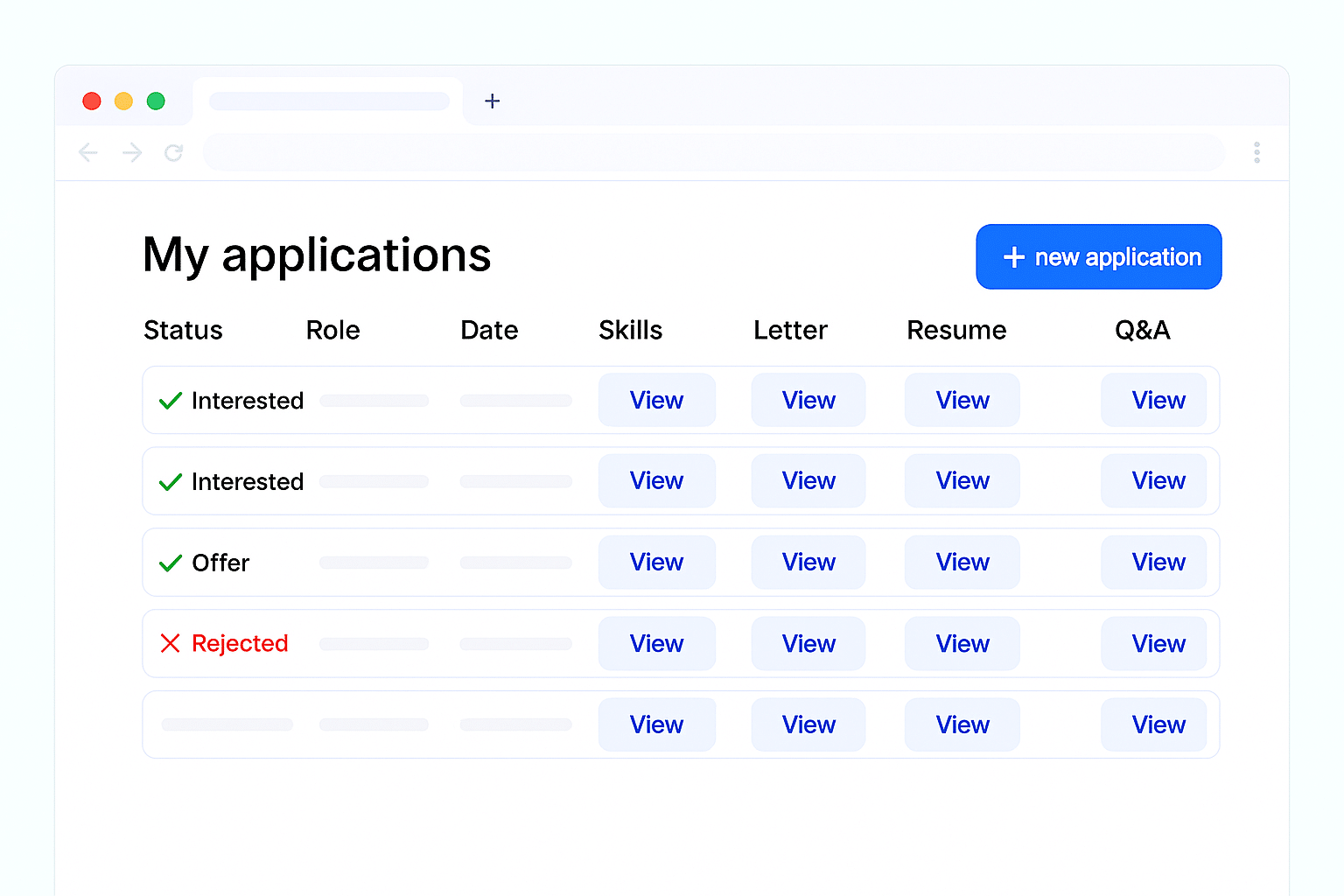
Once you’ve handled the basics, it’s time to let smart technology amplify your efforts. For example, platforms like JobWinner.ai use AI to tailor your resume and cover letter for each opportunity, ensuring your application stands out. They also offer guidance for interviews and highlight skills that best fit each role, saving you valuable time.
By combining a polished profile with intelligent AI tools, you’re positioned for maximum impact in your job search—set it and let technology do the heavy lifting. Key takeaway: Laying the right groundwork and embracing AI-driven support can dramatically increase your chances of getting noticed and hired. For more guidance on bringing AI into your job hunt, see how to improve your LinkedIn profile with AI.
Conclusion
Optimizing your LinkedIn visibility and profile content is more than a technical exercise—it’s a strategic move that can dramatically change your job search results. Whether you’re actively searching or quietly keeping an eye out for new roles, taking control of your LinkedIn settings, content, and discoverability is essential. Remember: every tweak brings you closer to that next interview invite. Ready to stand out? Start with visibility, craft your story, and leverage smart tools to unlock more opportunities.
Want more tips? Dive deeper into the 2025 LinkedIn Job Search Guide and let your next career move start with a single profile update.