 EN
EN  ES
ES  IT
IT  FR
FR 
Not all flexible jobs are created equal. Learn how to spot real work-life balance with proven strategies—ask smart interview questions, decode job ads, and uncover the true culture before saying yes to your next offer.
Key Takeaways
- Work-life balance has become a top, non-negotiable priority for job seekers—don’t accept employer claims at face value.
- Use targeted questions in interviews to reveal what flexibility and support really look like in practice, not just on paper.
- Research company culture on platforms like Glassdoor, Fairygodboss, and Blind, and identify patterns that go beyond flashy perks.
- Watch for red flags and coded language in job postings—phrases like ‘fast-paced’ or ‘like a family’ can hide overwork and unclear expectations.
- Apply a structured checklist—compare what recruiters promise with employee reviews, clear policies, and real management support to ensure the company truly supports balance.
- Genuine workplace flexibility is proven by evidence: employee stories, transparent policies, and management actions—not slogans or perks alone.
Why Work-Life Balance Verification Is Crucial Today
In today’s job market, work-life balance has shifted from a trendy perk to a non-negotiable priority for job seekers. The aftermath of widespread layoffs in recent years left many employees managing heavier workloads with limited support. This reality, coupled with the rise of remote and hybrid work, has significantly blurred the boundaries between work and personal time.
- Key Changes Influencing Work-Life Balance:
- Increased workloads without proportional support
- Remote/hybrid work making it harder to “switch off”
- Candidates seeking genuine flexibility over flashy perks
As one job seeker shared: “After burning out when I was expected to check emails late at night, I now ask about real work-life boundaries in every interview.”
This highlights the importance of scrutinizing company claims around flexibility and well-being.
A recent Glassdoor Workplace Trends Report revealed that nearly 50% of candidates believe employers overstate their culture, especially around flexibility. This skepticism signals a growing need to verify whether companies truly deliver on their promises.
| What Candidates Want | What Companies Often Promote |
|---|---|
| Sustainable, real flexibility | Unlimited PTO, on-site perks |
| Clear boundaries | 24/7 connectivity |
| Supportive leadership | Ping-pong tables |
The core idea: Don’t just accept workplace culture claims at face value. Taking steps to verify work-life balance can safeguard your well-being, energy, and career growth. Next, you’ll learn how to spot red flags and ask the right questions during your job search.
Smart Interview Questions to Uncover Company Culture
When exploring a new job opportunity, it’s vital to look past generic statements like “We value balance” and dig deeper into what company culture truly looks like day-to-day. To help you do this, consider structuring your questions around specific themes that matter most for your work-life satisfaction.
Key Culture Themes to Explore:
- Workload & Seasonality: Ask, ‘What does a typical week look like, and when are the peak busy stretches?’
- After-Hours Communication: Inquire, ‘How often do team members respond to messages outside of work hours?’
- Resourcing & Support: Explore, ‘When workloads rise, how does leadership adjust priorities or redistribute tasks?’
This targeted approach gives you a clearer picture of how the team really functions and helps you spot red flags early. For example, someone might reveal that busy periods are frequent, or that leadership is responsive to rising workloads—details that go beyond official company lines.
One of the most powerful ways to learn about flexibility and real-life support is to ask for concrete stories. For instance, you might say, ‘Could you share a moment where a team member balanced a personal commitment with a major deadline?’ Anecdotes like this can reveal whether flexibility is just a buzzword or a lived reality.
“I’ve seen some companies advertise flexibility but fall short in practice—I’d love to learn how your team lives it out.”
Framing your questions with genuine curiosity, as shown above, encourages open and honest responses instead of defensiveness.
The main point: Smart, thoughtfully phrased questions help you unveil the true culture of a workplace—ensuring your next move aligns with your real values. To take your interview prep further, learn how to interpret the answers you receive and build follow-up questions that dig even deeper. If you want expert tips on interview preparation, check out this AI-powered interview preparation guide.
How to Verify Workplace Flexibility Promises
Job flexibility is a top priority for many job seekers, but company promises during interviews aren’t always the full picture. To make an informed decision, start by gathering information from diverse online sources.
Start with Multiple Review Platforms
Check Glassdoor, Fairygodboss, Levels.fyi, and Blind to examine how current and former employees rate work-life balance and flexibility. Focus on reviews from the past year to spot patterns, rather than single negative outliers.
| Platform | Focus Area | Unique Value |
|---|---|---|
| Glassdoor | General culture, policies | Broad employee feedback |
| Fairygodboss | Women’s experiences | Gender-specific insights |
| Levels.fyi | Role comparisons | Compensation & details |
| Blind | Anonymous discussions | Unfiltered, honest posts |
Pay attention to repeated themes; consistent concerns signal real trends. After reviewing these sources, you’ll have a balanced perspective on how the company actually operates day-to-day. Next, let’s look at how to spot flexibility clues in job descriptions.
Job postings often include subtle hints about how flexible a role may be. Look out for language such as:
- ‘Fast-paced environment’
- ‘Must wear many hats’
- ‘Self-starter willing to go the extra mile’
Such phrases may suggest a lack of boundaries or an under-resourced team, which can undermine actual flexibility. In later rounds, ask to meet future teammates for authentic insights into daily routines and work expectations.
Direct conversations with your future colleagues can reveal the real culture behind the job description.
Takeaway: By combining online research, careful job ad analysis, and authentic conversations with team members, you’ll get a reliable read on an employer’s flexibility—helping you make career decisions with confidence and clarity. And if you want to make your application stand out, you can learn how to tailor your resume to job descriptions effectively for each opportunity.
Spotting Red Flags in Job Postings and Interviews
Job descriptions filled with glowing phrases can sometimes mask deeper issues in workplace culture. When reviewing job postings, pay close attention to language that seems overly generic or too good to be true—it often signals areas where transparency is lacking.
To help you decipher these potential warning signs, consider the following table summarizing common phrases and their hidden meanings:
| 🚩 Phrase | 💬 Likely Meaning |
|---|---|
| ‘We’re like a family’ | You may be expected to sacrifice personal time without question. |
| ‘We trust you to get your work done’ | Could signal a lack of structure—or chronically unclear expectations. |
| ‘Fast-paced’ | Often translates to long hours, frequent fire drills, and high employee churn. |
| ‘Great opportunity to prove yourself’ | Might mean you’ll be overworked and under-supported. |
A quick look at this table reveals patterns: phrases that seem supportive on the surface may actually hint at a stressful or unsupportive environment beneath. Recognizing these subtle cues is your first defense against roles that may not align with your values.
Beyond the job description, interview conversations are another chance to spot red flags. If multiple interviewers dodge questions about time off, work-life balance, or typical hours, take note—consistent vagueness often points to issues with boundaries or unrealistic expectations.
Culture isn’t what’s promised—it’s what people actually live day to day.
When evaluating an opportunity, remember: evidence and honest conversations matter more than catchy slogans. Trust your instincts and look for proof of a healthy culture in what’s said—and unsaid.
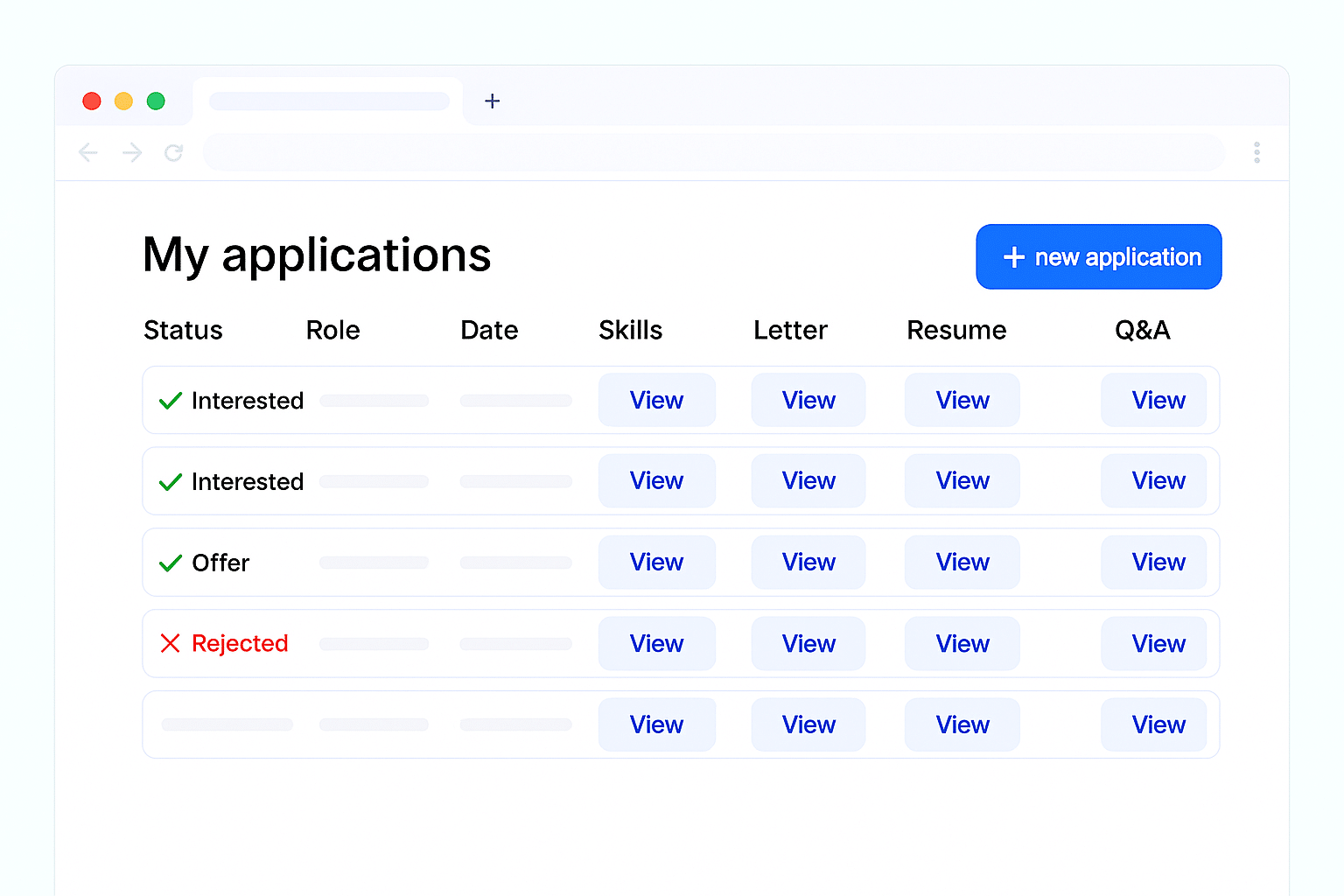
Key takeaway: With careful attention to language and consistency, you can avoid common job search pitfalls and focus your energy on workplaces that align with your needs. Stay alert, ask probing questions, and let the evidence—not just the promises—guide your decisions. If you’re ready to make a change, using a streamlined job application tracker can help you stay organized and objective during your search.
Essential Balance Checklist for Evaluating Employers
Striking a healthy work-life balance is crucial for long-term career satisfaction. When considering job offers, it’s important to look beyond surface-level perks and scrutinize the deeper cultural and policy aspects that truly impact your well-being. Here’s a structured checklist you can use at every stage of the job search process:
Balance Checklist for Job Seekers:
- Remote/Flexible Policies: Look for a formal, written statement on hybrid or flexible work—avoid vague promises like “we’re flexible!”
- Realistic Workload Descriptions: Gauge how interviewers discuss work expectations and whether they acknowledge seasonal surges or crunch periods.
- Clear PTO and Leave Policies: Ensure that vacation and leave guidelines are communicated early, not just in the fine print after an offer.
These points set a foundation for understanding how a company truly values employee balance. Next, dig even deeper into the company’s culture and management support.
To get a full picture, compare what recruiters say with employee experiences and measurable practices.
| Key Indicator | What to Look For |
|---|---|
| Employee Reviews | Consistency with recruiter claims |
| Performance Metrics | Results-based, not hours-based |
| Manager Support | Real examples of unplugging/mental health |
Recent employee reviews can reveal whether the reality matches the company’s promises. Also, ask managers for examples when they’ve supported unplugging or mental health—this distinguishes true support from lip service.
The true test of culture? What happens when employees actually use the benefits.
Employers like Basecamp have set strong examples by implementing no-meeting days and modeling healthy behaviors at the top, while others may advertise perks but discourage their use in practice. Always look for evidence over promises. The main takeaway: Companies that genuinely support balance practice what they preach, ensuring your peace and productivity go hand in hand. Let this checklist guide your next steps toward a healthier career. And if you want to build a resume that supports your goals for balance and growth, explore how to write an AI-optimized resume for 2025.
Conclusion
In today’s competitive landscape, real work-life balance isn’t just a perk—it’s essential for long-term professional and personal success. By asking the right questions, researching beyond the surface, and using a structured evaluation checklist, you can confidently identify employers who genuinely support your well-being. Remember, red flags and buzzwords are no substitute for transparent practices and authentic culture. Trust your instincts, gather evidence, and don’t settle for less than what you need to thrive.
Ready for your next move? Take advantage of a free LinkedIn profile review to boost your visibility in flexible job searches, or explore more expert advice on tailoring your application for your dream role.