 EN
EN  ES
ES  IT
IT  FR
FR 
Curious why your job applications don’t get noticed? Uncover how AI-powered Applicant Tracking Systems (ATS) screen, parse, and rank your resume. Learn proven strategies to format, keyword-optimize, and tailor your application so you sail past automated filters and catch recruiters’ eyes.
Key Takeaways
- Modern ATS tools organize, parse, and filter applications using AI, so understanding their logic is essential for job seekers.
- Clear, standard formatting with relevant keywords dramatically improves your resume’s chances of making it through ATS screening.
- Avoid common resume mistakes: skip fancy visuals, stick to conventional headings, and use keywords naturally—never stuff them.
- AI-enhanced ATS now assess soft skills, predict job fit, and use anonymized screening, making the process fairer and more competitive.
- Balancing an ATS-friendly layout with clear, achievement-focused content increases your odds of impressing both bots and recruiters.
How Modern ATS Tools Shape Your Job Application
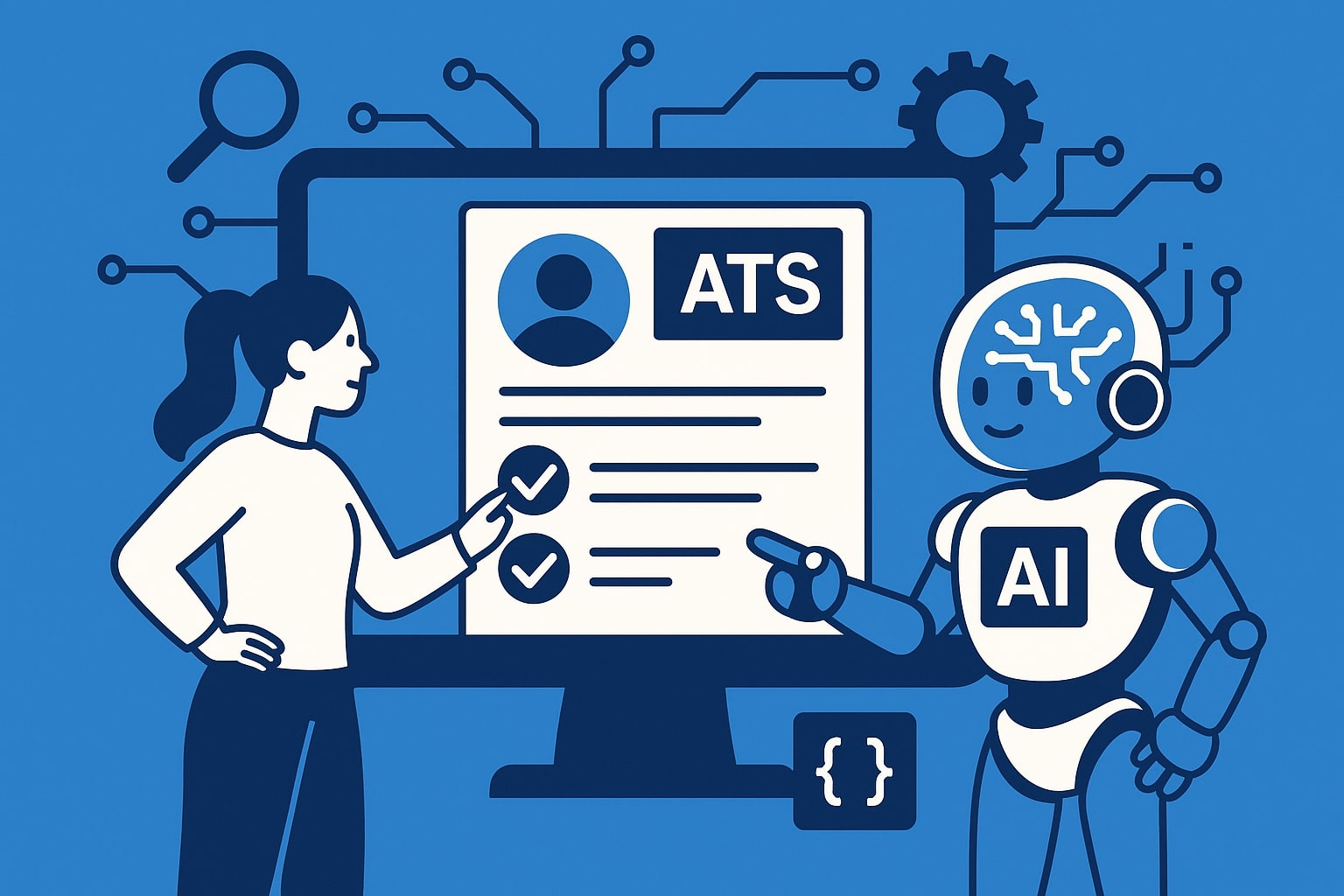
Applicant Tracking Systems (ATS) have evolved far beyond their original purpose. Today’s ATS acts as a sophisticated AI-powered recruitment assistant, helping employers efficiently sift through high volumes of job applications. They don’t just store and sort resumes—instead, they extract key information from every submission to create structured candidate profiles.
Let’s break down what an ATS does in a typical hiring process:
- Collects and organizes every application received for a job posting.
- Parses resumes to extract structured data on skills, education, and work history.
- Filters candidates using set criteria such as keywords, years of experience, and even inferred soft skills.
This transformation enables HR teams to focus on the highest-potential applicants, making the recruitment workflow more efficient from the get-go. As you prepare your application, keep in mind how these systems operate behind the scenes.
To give you a clearer picture, consider the following real-life scenario: An HR team posts an open position and receives 500+ applications in one week. The ATS quickly parses each resume, extracting data points and matching them against job requirements. Only the top 10%—those closely aligned with the role—advance to the human review stage. Those who don’t match up risk being skipped entirely.
“Understanding an ATS’s logic gives you a strategic edge: tailor your resume with relevant keywords and clear formatting to improve your chances of passing this automated screen.”
The key takeaway: Mastering how ATS tools work isn’t just a technical detail—it’s essential to landing interviews and standing out in a crowded job market. Next, let’s explore how these systems actually read and evaluate your resume.
How ATS Parses and Ranks Your Resume Effectively
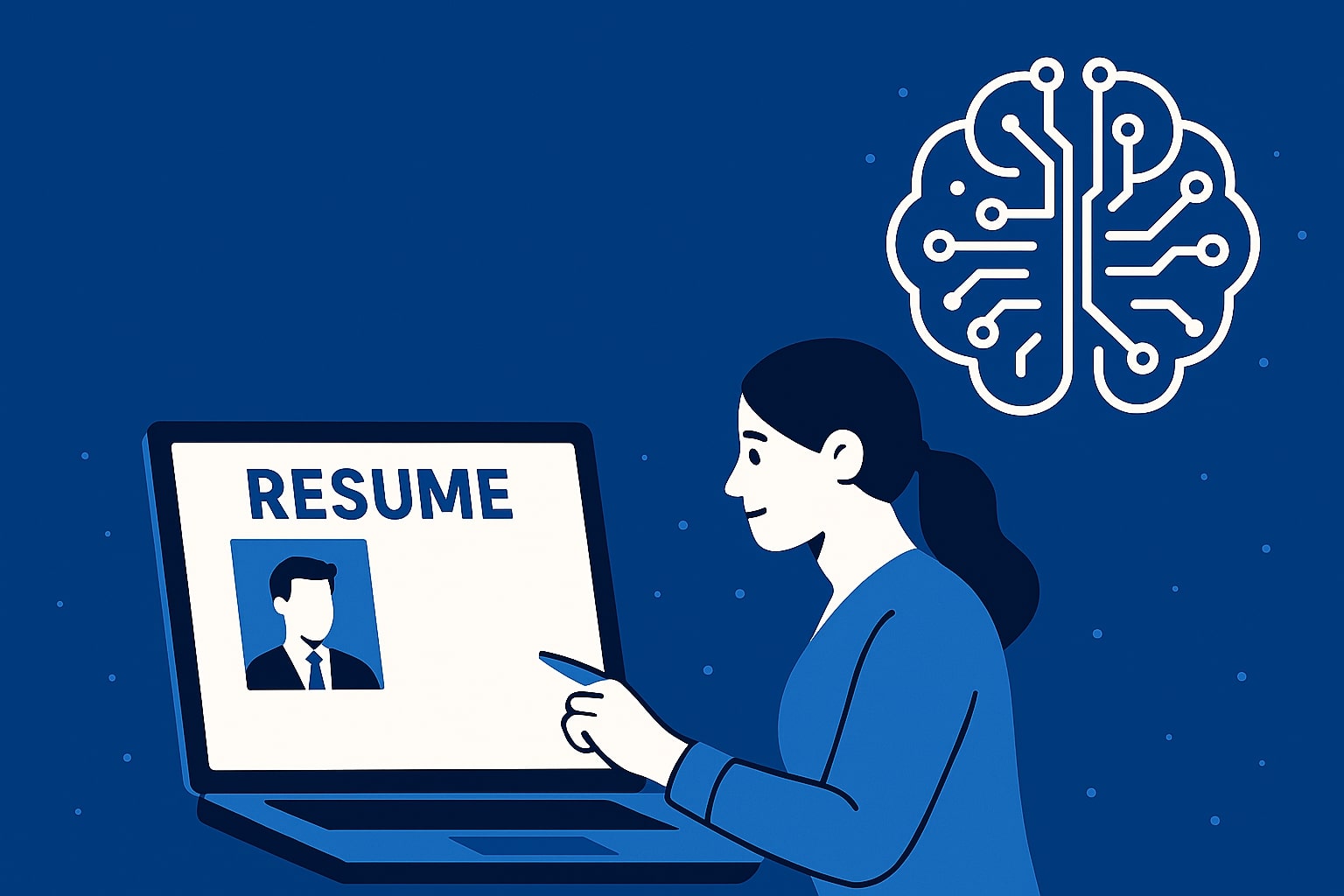
When you submit your resume online, it doesn’t land directly in a recruiter’s lap. Instead, Applicant Tracking Systems (ATS) use advanced Natural Language Processing (NLP) to break your document into structured categories such as Work History, Skills, and Education. The software identifies key details like job titles, company names, employment dates, and the technologies or tools you’ve used.
Key Point: The ATS is programmed to find and extract specific information—missing or misplacing a section can impact your visibility.
| Resume Element | Well-Formatted Resume | Poorly Formatted Resume |
|---|---|---|
| Section Headers | Standard (e.g., “Work Experience”) | Creative (e.g., “Career Journey”) |
| Skills Display | Bullet-pointed, keyword-matched | Hidden in paragraphs |
| Dates/Job Titles | Clearly separated, consistent | Mixed formats, hard to parse |
| Visual Elements | Minimal graphics, clean layout | Charts, icons, unconventional |
A clear, keyword-aligned layout increases your chances of being accurately parsed and ranked by the ATS.
After parsing, ATS software assesses your resume’s fit for the role through keyword scoring. It searches for exact matches with the job description—think hard skills like JavaScript, industry certifications, or years of experience. Sometimes, even soft skills can be flagged, especially if they echo the employer’s priorities.
- Match your resume language to the job posting (learn how to tailor your resume here).
- Highlight core skills in a straightforward format.
- Avoid fancy formatting that could confuse the system.
Your resume’s format isn’t just about aesthetics—it’s a strategic tool that directly affects your chances of reaching a human reviewer.
The main point: A resume that’s cleanly organized and keyword-optimized sails through ATS filters, ensuring you don’t get sidelined before a recruiter even sees your application. If you want to master this process, check out this comprehensive guide to beating ATS systems. Next, we’ll discuss how tailoring your resume for each application further boosts your odds.
Top Resume Mistakes That Block Your ATS Success
When you craft your resume, it’s tempting to focus on visual appeal. However, overly stylized designs can backfire—especially when your document meets an Applicant Tracking System (ATS). These systems are designed to scan for information using specific standards, and creative elements like tables, unusual fonts, graphics, or images can disrupt the parsing process. This often leads to blank fields or misfiled data, reducing your chances of being noticed.
| Feature | ATS-Friendly | Problematic |
|---|---|---|
| Standard section headings | ✓ | ✗ |
| Simple, readable fonts | ✓ | ✗ |
| Use of tables or images | ✗ | ✓ |
| Clear, linear structure | ✓ | ✗ |
Notice how sticking to simplicity ensures your resume is actually readable by software. If your experience doesn’t appear under the right headings, it could disappear from recruiter searches entirely.
Another frequent error is substituting standard section headers—like ‘Work Experience’—with creative alternatives, such as ‘My Journey’ or ‘Career Story.’ Applicant Tracking Systems rely on conventional headings to organize your information, and when they can’t recognize a section, it may be skipped altogether.
Also, avoid the temptation to ‘keyword stuff.’ Some candidates repeat job keywords excessively or hide them in tiny, invisible fonts. ATS software is now sophisticated enough to detect these tricks, and may flag or penalize such applications. Instead, use keywords naturally, align them with your real achievements, and make sure every section is clearly labeled.
Clarity and authenticity always outperform gimmicks in job applications.
The bottom line: A resume that is clear, conventionally structured, and honest is far more likely to survive ATS screening and catch a recruiter’s eye. For examples of effective layouts, browse these real-world ATS-friendly resume examples. Next, let’s look at practical ways to strengthen your resume for maximum impact.
How AI-Enhanced ATS Are Transforming Modern Hiring
Applicant Tracking Systems (ATS) have evolved rapidly, with artificial intelligence now central to their functionality. Today’s platforms don’t just scan for keywords—they can assess soft skills, predict job fit, and suggest candidates for other open positions. For example, some ATS solutions analyze communication cues in resumes or cover letters to estimate cultural fit, making the screening process smarter and more predictive than ever.
Key Features of Modern AI-Powered ATS:
- Soft skills assessment through text analysis
- Job fit prediction based on career trajectory
- Recommendations for future roles beyond the initial application
This shift means that applicants are evaluated on a much broader set of criteria than just technical qualifications, requiring a thoughtful approach to resume and cover letter crafting. As hiring teams lean on AI for more nuanced insights, understanding these new benchmarks is essential for job seekers aiming to stand out.
Another major trend is the integration of automated interview tools with ATS platforms. When a resume hits certain criteria, candidates may receive invitations to complete pre-recorded video interviews—streamlining the process for both employers and applicants.
| ATS Feature | Traditional Approach | AI-Enhanced Impact |
|---|---|---|
| Resume Screening | Keyword Matching | Contextual & Skill-Based |
| Interview Scheduling | Manual Coordination | Automated Triggers |
| Bias Mitigation | Manual Review | Anonymized Screening |
| Transparency | Limited | Disclosed Algorithms |
As this table illustrates, AI isn’t just making hiring faster—it’s making it fairer and more transparent, with systems designed to reduce unconscious bias by hiding personal identifiers during early screening.
Tools like JobWinner.ai empower job seekers to optimize their materials with confidence by showing exactly how ATS platforms evaluate applications.
In summary, understanding how AI-driven ATS operate allows you to build applications that are both authentic and highly competitive—an essential advantage in today’s job market. The big idea: embrace these tools and insights to take control of your job search strategy. For more on maximizing your impact, see how to use AI to pass ATS filters.
Creating a Resume That Appeals to ATS and Recruiters
To get noticed in today’s job market, your resume must pass both automated applicant tracking systems (ATS) and impress human recruiters. The first step is ensuring your document’s format works for both audiences. Avoid creative layouts, graphics, or tables, as these can confuse ATS software. Instead, stick to tried-and-true formats like Microsoft Word or a plain PDF, and use clear section headings such as ‘Skills’ and ‘Experience.’
Here’s a quick checklist for ATS-friendly formatting:
- Use standard fonts (Arial, Calibri, Times New Roman)
- Keep headings consistent and clear
- Save as .docx or PDF (no images or text boxes)
A streamlined, easy-to-read structure ensures your resume is parsed accurately and remains appealing to the human eye. When recruiters scan your document, bullet points with measurable achievements—such as ‘reduced churn by 20%’—stand out more than vague descriptions.
Beyond formatting, content is king. Matching your skills and language to the job description gives you an edge with both machines and people. Tools like JobWinner.ai can help analyze job postings and surface relevant keywords, but it’s vital to use them honestly—modern ATS are sophisticated, detecting if keywords fit the context.
ATS are smart, but context matters. Using keywords thoughtfully is your secret weapon.
Tailor your resume for each role and keep it concise: one page for early-career professionals, two pages for those with more experience. Think of your resume as a signal booster—it should amplify the qualities that matter most for the job at hand, without overwhelming the reader. If you want personalized guidance, try this step-by-step resume tailoring tool.
Key takeaway: Balancing ATS requirements with human readability increases your chances of getting noticed and moving forward in the hiring process.
Conclusion: Take Charge of Your Job Search
Mastering the nuances of AI-powered ATS is no longer optional—it’s an essential skill for every job seeker. By understanding how these systems parse, rank, and filter resumes, you can strategically format, keyword-optimize, and tailor your application materials for maximum impact. Remember: a resume that is both ATS-friendly and recruiter-ready gives you a genuine advantage in today’s competitive market.
Ready to make your resume stand out? Start applying these strategies, use proven tools, and never underestimate the power of clarity and relevance. For more actionable tips, explore related guides and examples on the JobWinner.ai blog, and take the next step toward landing your dream role.