 EN
EN  ES
ES  IT
IT  FR
FR 
Are you missing real opportunities on LinkedIn? Learn how thoughtful follow-ups, proven messaging templates, and a blend of AI and personalization can turn casual connections into meaningful career breakthroughs.
Key Takeaways
- A personalized LinkedIn follow-up within 24–72 hours keeps you memorable and opens the door for real opportunities.
- Effective job follow-ups use a three-step structure—timing, value, and a gentle ask—to foster authentic engagement.
- Message templates save time and boost networking success, but must be personalized to avoid sounding generic.
- Real success comes from sharing tailored insights and tracking outreach, transforming messages into referrals and offers.
- AI tools like JobWinner.ai streamline outreach but require your unique voice to stand out and build trust with recruiters.
Strategic LinkedIn Follow-Ups Boost Networking Results
Many job seekers believe that simply sending a LinkedIn connection request is enough, but the real influence lies in what you do after the connection is accepted. Recruiters and professionals are bombarded with new connections daily. A timely, personalized follow-up message sets you apart from the crowd and keeps you top of mind.
“Following up within 24–72 hours significantly increases your chances of being remembered and considered for opportunities.”
When your message acknowledges the recent connection and references a shared context—like a mutual interest, event, or company—it provides a natural foundation for a meaningful conversation.
Hi [Name], thanks for connecting! I noticed we both [share X interest or group], and I’m genuinely interested in learning about your experience at [Company/Role]. Would you be open to sharing any advice for someone exploring this field?
- Keep your tone authentic and friendly
- Refer to something specific you share (mutual connection, group, event)
- Avoid immediately asking for a job or favor
Using this approach not only increases response rates but can also lead to genuine conversations, valuable advice, or even referrals. The core idea: A strategic, personal follow-up transforms a simple connection into a real opportunity. Next, let’s explore how LinkedIn’s algorithm favors active, thoughtful engagement.
Mastering the Art of Effective Job Follow-Up
Crafting a winning follow-up goes beyond simply saying thank you—it’s about building momentum with each message. Timing is crucial: your initial note should be sent within 48 hours to express genuine gratitude and reinforce your interest. This quick response positions you as attentive and professional, laying a strong foundation for future interactions.
- Step 1: Send a thank-you note within 48 hours.
- Step 2: Provide value in your second message—share a tailored article or relevant insight.
- Step 3: Make a gentle ask later, such as requesting feedback or advice.
This three-part structure helps avoid coming across as too transactional, which can harm your chances. By pacing your outreach, you show respect for the recipient’s time and build authentic engagement.
To ensure your message stands out, keep it concise and easy to read on mobile devices. Aim for under 120 words—this significantly boosts open and response rates, especially when using platforms like InMail to reach busy professionals. Now, let’s explore a practical framework to further elevate your follow-up approach.
The CVEN Framework for Structured Follow-Up
| Step | Purpose | Example |
|---|---|---|
| Context | Remind them who you are and how you met | Thank you for our conversation at the tech fair. |
| Value | Share something helpful or insightful | I came across this article relevant to your project. |
| Engagement | Ask a light question or show interest | Would love to hear your take on AI trends. |
| Next Step | Suggest a soft action or keep the door open | Let me know if you’d like to connect further. |
Using this structure not only demonstrates professionalism, but also increases your chance of a response. The main insight: Thoughtful, well-timed follow-ups set you apart and foster real opportunities. For more on optimizing your approach, see how to improve your LinkedIn profile with AI.
Message Templates to Boost Networking Success
Navigating professional communication can be challenging, especially when first impressions matter. Using well-crafted message templates removes uncertainty and gives you a confident starting point for every scenario. Let’s break down how templates streamline your outreach and set you apart.
Why Templates Work
- Save time and reduce anxiety by providing a clear starting structure.
- Allow personalization so your messages feel authentic, not generic.
- Help avoid common pitfalls like sounding too formal or too casual.
For example, sending a quick thank you note right after someone accepts your request can immediately establish rapport and show genuine appreciation. This simple gesture makes your follow-up messages more welcome and effective.
Consider adjusting your template based on context. Mentioning a shared LinkedIn group or recalling a specific point from a previous conversation signals that your message is thoughtful and tailored. It’s also crucial to frame your asks wisely:
“Instead of asking, ‘Can I pick your brain?’, try, ‘What helped you grow into your role at [company]?’ This open-ended approach is less intrusive and more likely to get a response.”
If you don’t receive a reply, a polite follow-up after a week demonstrates both persistence and respect for their time. Remember, a well-structured message opens doors that might otherwise stay closed. The key takeaway: thoughtful templates not only save time—they maximize your chances of building meaningful connections.
Transitioning from templates to timing, knowing when to reach out next can make all the difference in your networking journey. For help structuring your entire outreach process, check out the LinkedIn Job Search Guide.
Turning Messages Into Career Opportunities: Real Success Stories
Personalized communication can be a game-changer in your job search. Consider the story of Sarah, an analyst who aspired to transition into UX design. She didn’t just send out generic emails—instead, she carefully crafted personalized notes to 15 professional contacts, each tailored with a relevant article or industry update. This thoughtful approach helped her stand out and facilitated genuine connections.
“It’s often your message that gets remembered, not just your resume.”
By focusing on building authentic relationships rather than just requesting favors, Sarah secured 8 meaningful replies, received 2 direct referrals, and ultimately landed a job offer that changed her career trajectory. This illustrates the power of targeted, value-driven outreach.
Tracking your interactions is just as crucial as making them. Daniel’s experience offers another perspective: instead of directly asking for job leads, he reached out to his network for recommendations on books and resources, which led to an invitation to an internal Q&A session. This not only expanded his knowledge but also gave him an edge when interviewing for a role at the company.
- Personalize every message to your recipient and reference specific interests or mutual topics.
- Offer value first; share resources, articles, or insights relevant to the contact’s field.
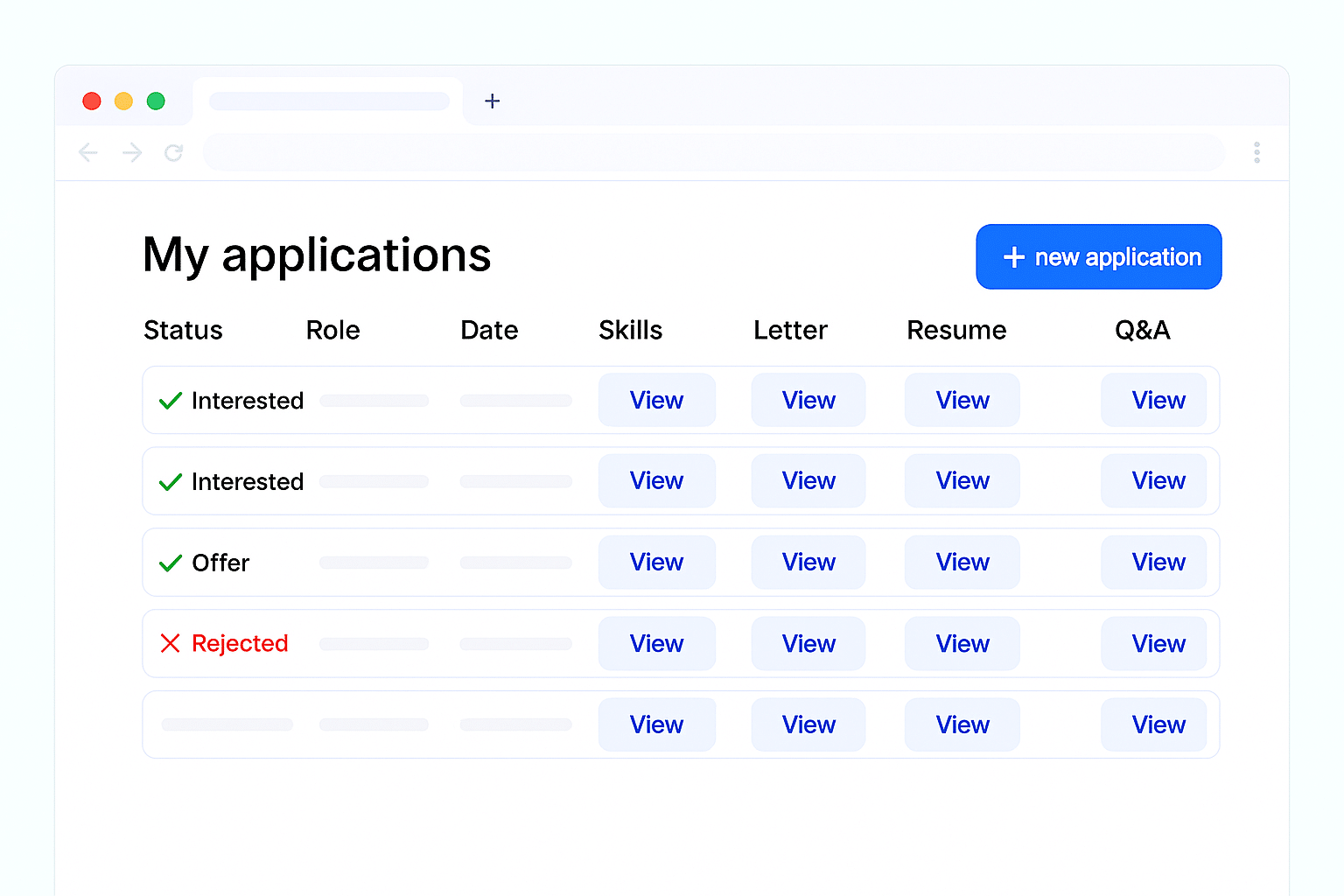
- Track all outreach efforts using a simple spreadsheet or CRM tool to follow up at the right time.
Using these tactics, you transform simple follow-ups into genuine opportunities—proving that thoughtful messaging can open doors where a resume alone might not. The main point: Strategic communication and organized follow-up can truly set you apart. For even more actionable tips, explore our free LinkedIn profile review tool to see how your messaging aligns with your public profile.
How to Blend AI Tools With Genuine Personalization
AI-driven platforms like JobWinner.ai offer an incredible boost to job seekers by generating draft resumes, bullet points, and outreach messages in seconds. These tools are designed to save time and help you focus on what matters most: making meaningful professional connections. However, relying solely on generic, AI-produced content can backfire, as recruiters often see right through templated responses.
“Automation helps you get started—but only authenticity gets you noticed.”
To ensure your communication stands out, always use AI tools for a first draft, then layer in your own voice and relevant details from the recipient’s profile or work history. This approach goes beyond convenience, enabling you to create messages that resonate.
How to Personalize AI-Generated Outreach
- Start with an AI-generated draft.
- Add personal touches: reference achievements, shared interests, or mutual connections.
- End with a conversational sign-off tailored to the recipient.
When you combine the speed of technology with a personal, thoughtful approach, you unlock networking opportunities built on clarity and trust. Takeaway: The smartest networkers use AI as a foundation, but always bring their own humanity to the conversation. For further reading, consider how to elevate your LinkedIn profile with AI-driven tools.
Conclusion
Turning LinkedIn connections into real career opportunities requires a blend of strategy, timing, personalization, and smart use of technology. By following up thoughtfully, leveraging effective templates, and blending AI tools with your unique voice, you can cut through the noise and build relationships that matter. Remember: job search success on LinkedIn is built on genuine engagement and consistent, value-driven communication.
Ready to supercharge your LinkedIn outreach? Start by reviewing your messaging strategy and exploring how AI-powered tools can work for you. And if you’re looking for more personalized guidance, don’t miss our actionable resources and in-depth guides designed to help you land your next opportunity.